
Science / Combined Science
Science can be described in a number of ways.
Science (from Latin scientia, meaning "knowledge") is a systematic enterprise that builds and organizes knowledge in the form of testable explanations and predictions about the universe.

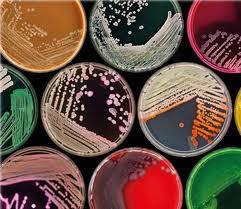
The study of Science is the systematic observation of natural events and conditions in order to discover facts about them and to formulate laws and principles based on these facts.
A primary aim of science is to collect facts (data) through observation and experimentation. This involves using Scientific Method. In addition both precision and accuracy are needed when collecting
scientific data during experiments.
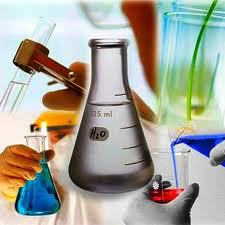
Science is an intellectual activity carried on by humans that is designed to discover information about the natural world in which humans live and to discover the ways in which this information can be organized into meaningful patterns.
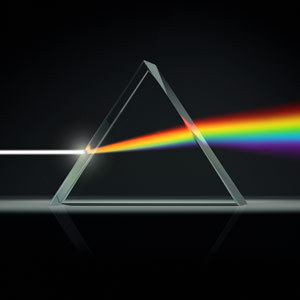
Science involves more than the gaining of knowledge. It is the systematic and organized inquiry into the natural world and its phenomena. Science is about gaining a deeper and often useful understanding of the world.
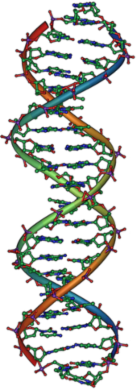
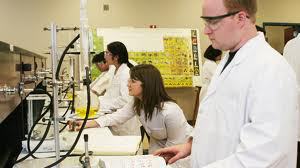
Science refers to a system of acquiring knowledge. This system uses observation and experimentation to describe and explain natural phenomena. The term science also refers to the organized body of knowledge people have gained using that system.

Contact us today!
If you have any queries or wish to make an appointment, please contact us:
+44 7825 870194 +44 7825 870194
mrwardscience@live.co.uk
Or use our contact page.

 Print
Print 